
Farmhouse Kitchen Ideas Guide: A Modern Take in 2026
The farmhouse kitchen is evolving. Forget the dated shiplap and mason jars; the modern look for 2026 is about blending rustic texture with clean lines, quality materials, and serious functionality. This guide breaks down the essential farmhouse kitchen ideas, from budget to build.
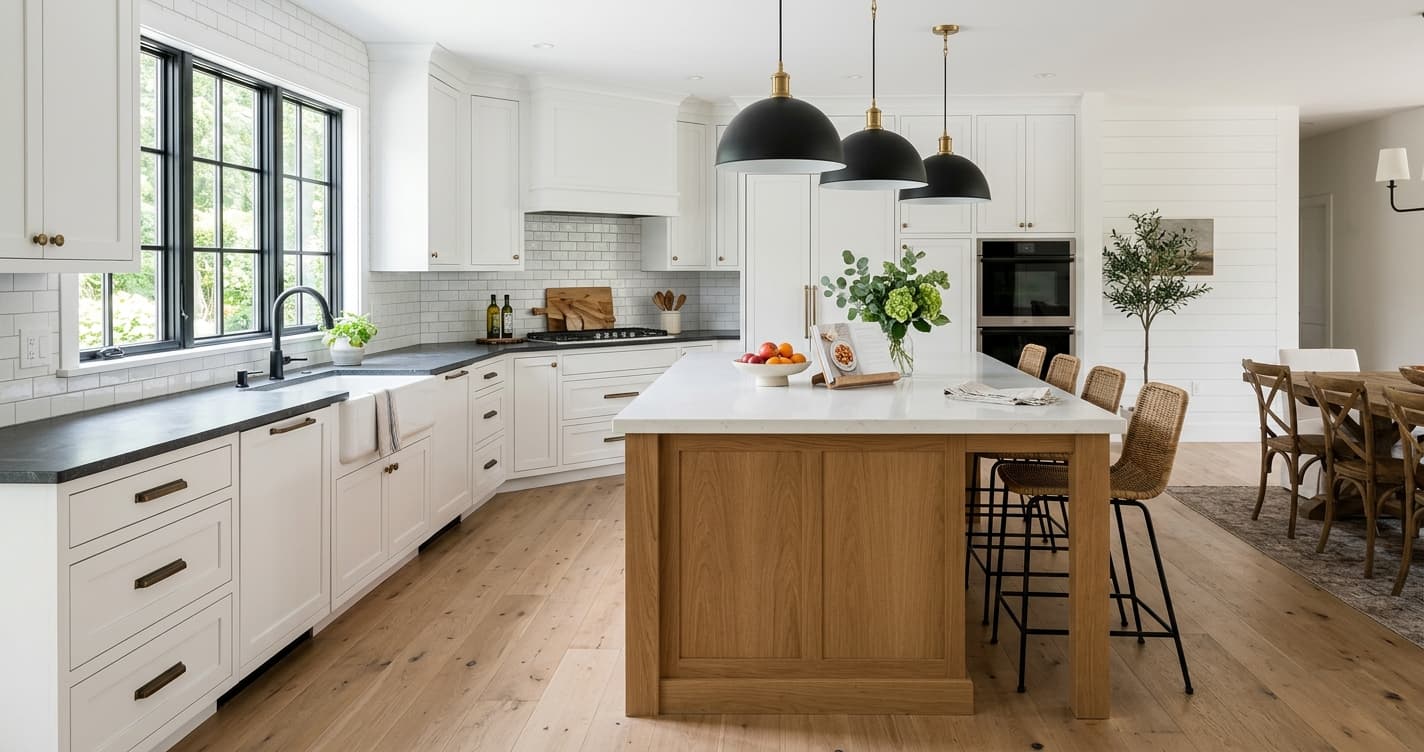
The farmhouse kitchen is a durable classic for a reason: it's warm, inviting, and built around the idea of gathering. If you are looking for fresh farmhouse kitchen ideas, this look is evolving, much like the shift we see in coastal interior design, moving beyond the rustic clichés of the last decade. It’s less about shiplap and more about texture, quality materials, and clean, functional lines that will last.
We believe a successful modern farmhouse kitchen balances comfort with restraint. It feels collected, not decorated. It's a space built with durable, honest materials that wear well over time. This guide is your roadmap to achieving that balance, covering the core design elements, a realistic budget breakdown, and a project timeline to get you started. If you are also planning a bedroom makeover ideas project, the same principles of quality and restraint apply.
Table of Contents
Core Elements of the Modern Farmhouse Kitchen
Getting the foundation right is everything. These are the non-negotiable elements where you should focus your attention and budget. They form the hardworking backbone of the room, while smaller details can be updated over time.
Cabinetry: Beyond Basic Shaker
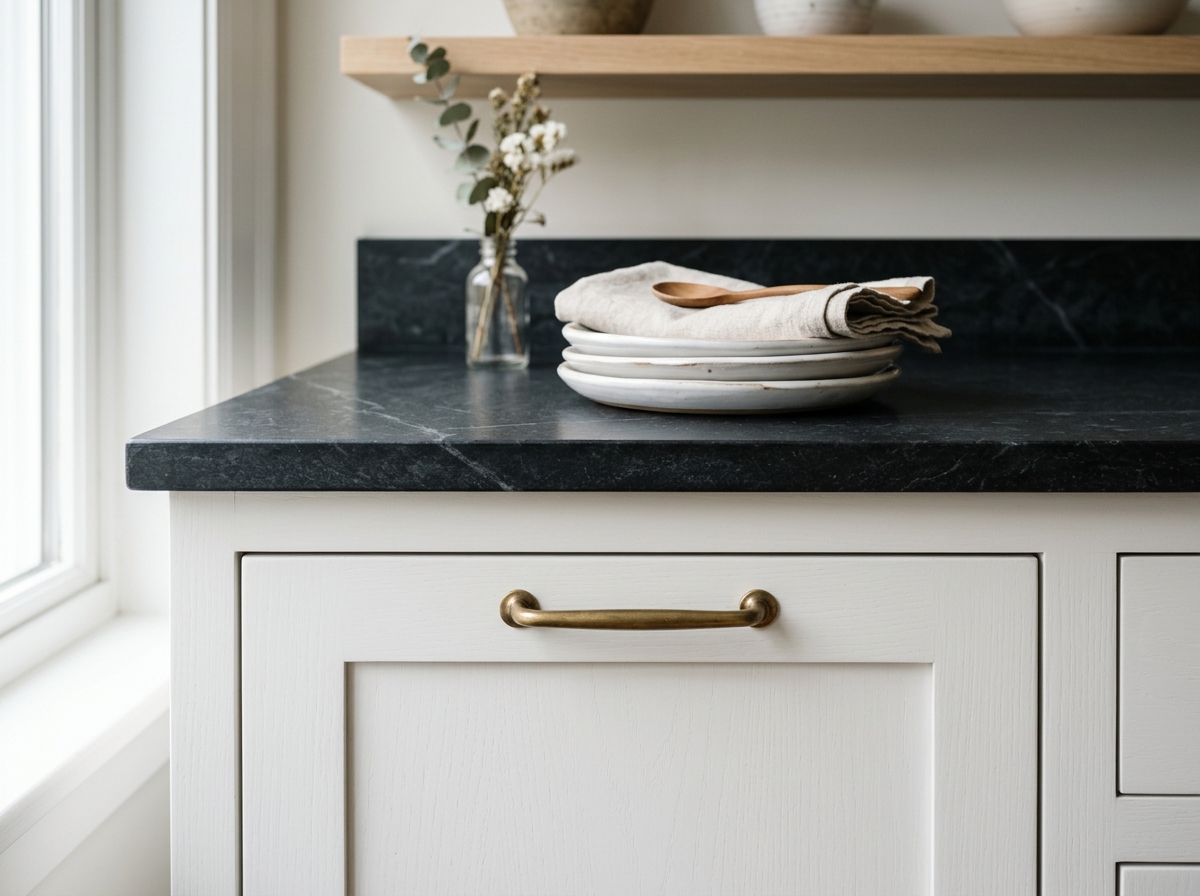
Shaker-style cabinets are still the standard for a farmhouse look, but the details make all the difference. For a more refined, custom feel, consider inset cabinet doors, where the door sits flush with the cabinet frame. This construction method offers clean lines and a high-quality, furniture-like appearance that improves the entire kitchen.
Color is also shifting. While classic white remains popular, we're seeing a move toward warmer, softer whites like Benjamin Moore’s Swiss Coffee or Simply White. Muted, earthy tones are also a solid choice; think grayish greens like Farrow & Ball's Pigeon or deep, calming blues. For hardware, unlacquered brass adds a living finish that patinas beautifully, while matte black and oil-rubbed bronze provide a more rustic, graphic contrast.
Countertops: Durability Meets Design
The countertop is one of the kitchen's biggest visual and functional investments. While classic Carrara marble is beautiful, its tendency to etch and stain makes it a high-maintenance choice. For a similar look with superior durability, we recommend honed quartz. Brands like Caesarstone and Silestone offer surfaces that mimic the soft look of marble without the upkeep.
Soapstone is another excellent choice, offering a deep, dark counterpoint to lighter cabinets. It's non-porous and develops a rich patina over time. For an island, a thick butcher block counter in walnut or maple adds warmth and a practical workspace, breaking up the stone surfaces elsewhere.
Sinks and Faucets: The Workstation Hub
An apron-front, or farmhouse, sink is a signature element. The Kohler Whitehaven is a cast-iron classic for a reason—it's nearly indestructible. Fireclay is another popular material, offering a smooth, durable surface. Don't feel limited to white; farmhouse sinks are now available in soapstone, stainless steel, and even concrete.
Pair it with a faucet that matches the kitchen's character. A bridge faucet, with its distinct hot and cold handles, has a vintage feel that works perfectly. Look to brands like Brizo or Rohl for well-built options. For a more modern take, a high-arc gooseneck faucet in a matte black or brass finish offers both style and function.
Backsplash: Texture Over Pattern
The backsplash is an opportunity to add texture. Instead of a standard 3x6-inch subway tile, consider a 4x4-inch Zellige tile. These handmade Moroccan tiles have inherent variations in color and texture that create a light-reflecting surface. Laying a classic subway tile in a vertical stack or herringbone pattern is another way to update the look.
For a clean, high-impact statement, a slab backsplash is an excellent option. Running the same material from your countertop up the wall creates a uniform look that's easy to clean and visually expands the space.
Lighting and Finishes That Complete the Look
Once the core components are in place, lighting and finishes are what pull the room together. These details are crucial for creating the warm, layered atmosphere that defines a farmhouse kitchen.
Task and Ambient Lighting
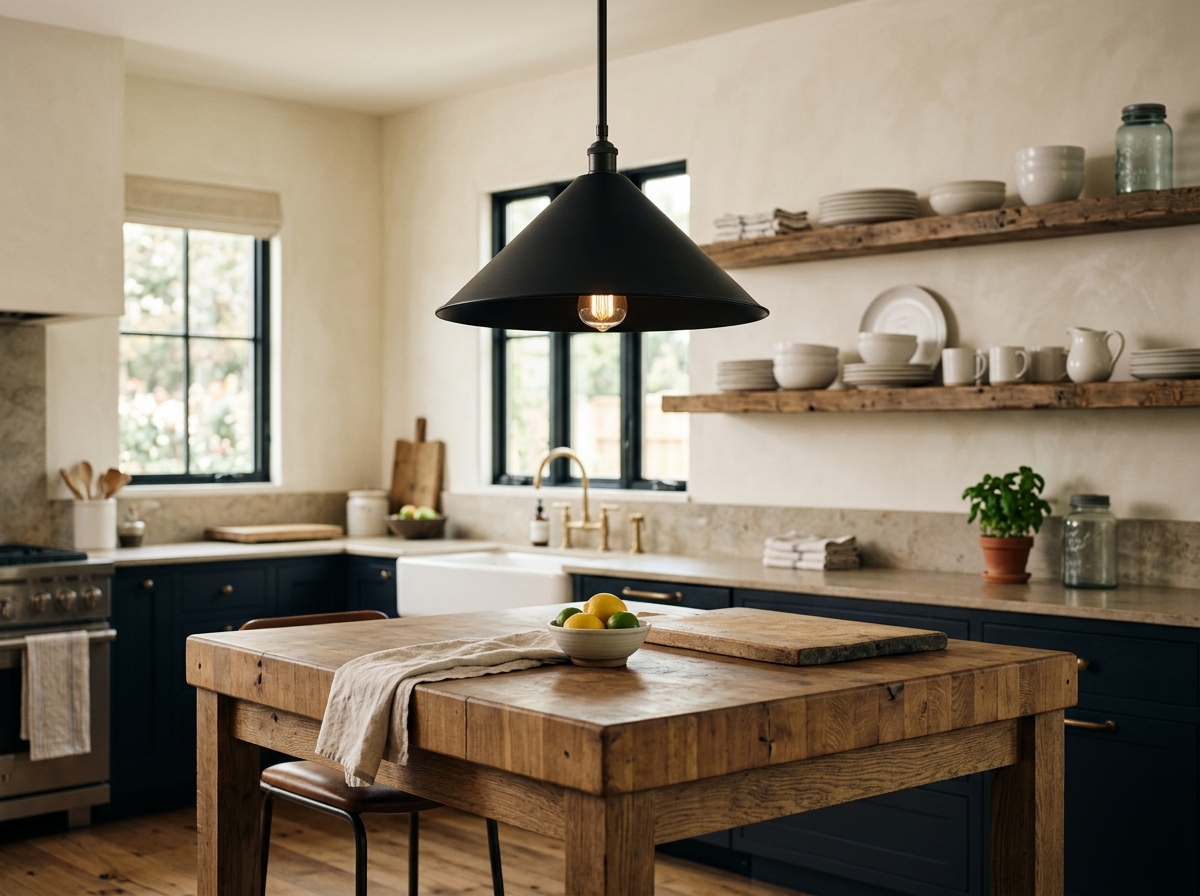
A layered lighting plan is essential. Start with large-scale pendants over the island. These serve as a focal point. Simple, oversized metal domes or classic glass lanterns from brands like Visual Comfort or Pottery Barn work well. Ensure they are hung at the right height—about 30-36 inches above the countertop.
Next, add task lighting. Sconces above the sink or flanking a window add a charming, decorative layer. Under-cabinet LED strips are a must for illuminating countertops for food prep. Finally, use recessed cans for overall ambient light. We recommend a warm color temperature of around 2700K to 3000K to maintain an inviting glow.
Flooring Choices
Wide-plank wood floors are the quintessential choice for a farmhouse kitchen. White oak is a popular, durable option that takes a variety of stains well, from light and natural to dark and rich. For a more rustic character, consider reclaimed pine or hickory.
If solid hardwood isn't in the budget or you need a more water-resistant option, engineered hardwood is a great alternative. For maximum durability, especially in homes with kids and pets, Luxury Vinyl Plank (LVP) has come a long way. Brands like COREtec offer realistic wood looks that are 100% waterproof and highly scratch-resistant.
Open Shelving and Storage
Open shelving breaks up the monotony of solid upper cabinets and provides a place to display everyday dishes or decor. The key is to use it strategically. One or two sections of shelving, perhaps flanking the range hood, is usually enough. Use thick, solid wood shelves—reclaimed barn wood or simple painted poplar—supported by sturdy, understated metal brackets.
Balance this openness with ample closed storage. A floor-to-ceiling pantry cabinet is a hardworking feature that can house small appliances, dry goods, and other items you don't want on display, keeping the kitchen feeling organized and uncluttered.
Your Farmhouse Kitchen Remodel Budget
A full kitchen remodel is a significant investment. According to the National Kitchen & Bath Association (NKBA), the kitchen is the most popular room to renovate, and costs can vary dramatically based on your location, scope, and material choices. We've broken down typical costs into three tiers.
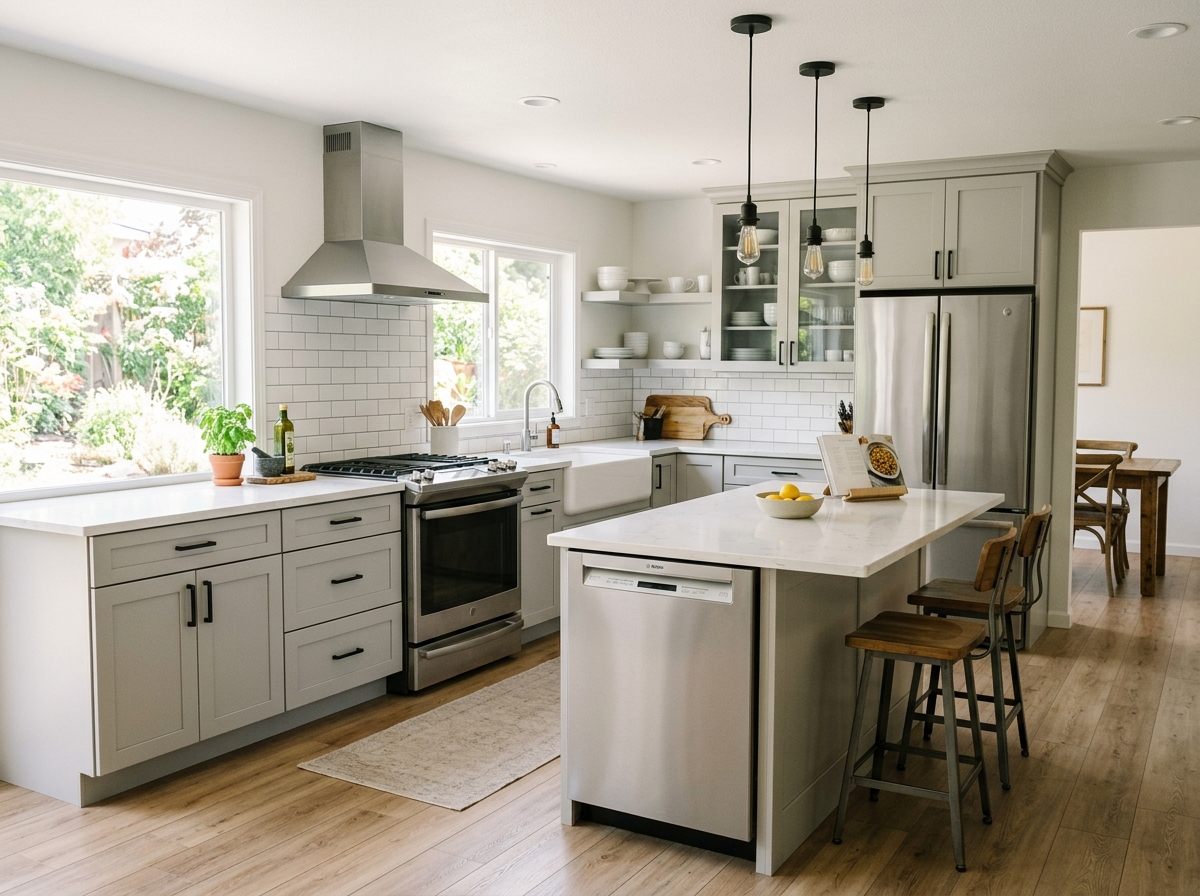
Economy Tier: $15,000 – $30,000
This budget focuses on cosmetic updates without changing the kitchen's layout. It's about making smart, high-impact choices to refresh the space.
Cabinets: Keep existing cabinet boxes and either reface them with new doors or have them professionally painted.
Countertops: Butcher block or high-quality laminate countertops.
Appliances: Keep existing appliances or replace one or two with budget-friendly models.
Labor: A mix of professional help for plumbing/electrical and significant DIY work for painting, tiling, and assembly.
Mid-Range Tier: $30,000 – $75,000
This is the most common project scope. It involves a full gut remodel with new everything, but uses stock or semi-custom materials to manage costs. A 2024 Houzz & Home survey found the median spend on a major kitchen remodel was $55,000 for a larger space.
Cabinets: Semi-custom cabinets from brands like KraftMaid or Schuler.
Countertops: Quartz or granite from a local fabricator.
Appliances: A full suite of new appliances from brands like Bosch, KitchenAid, or GE Profile.
Labor: Primarily handled by a general contractor and their subcontractors.
Premium Tier: $75,000+
This budget allows for high-end materials, custom solutions, and potentially structural changes to the space. You’re likely working with a kitchen designer or architect.
Cabinets: Fully custom cabinetry with features like inset doors, custom pull-outs, and premium finishes.
Countertops: High-end natural stone like soapstone or Calacatta marble; thick profiles or slab backsplashes.
Appliances: Professional-grade appliances from brands like Sub-Zero, Wolf, or Thermador.
Labor: A full team managed by a designer and general contractor, including structural work.
A Realistic Project Timeline
Patience is a virtue in any renovation. A kitchen remodel is a complex process with many moving parts and potential delays. Here’s a general overview of the timeline you can expect.
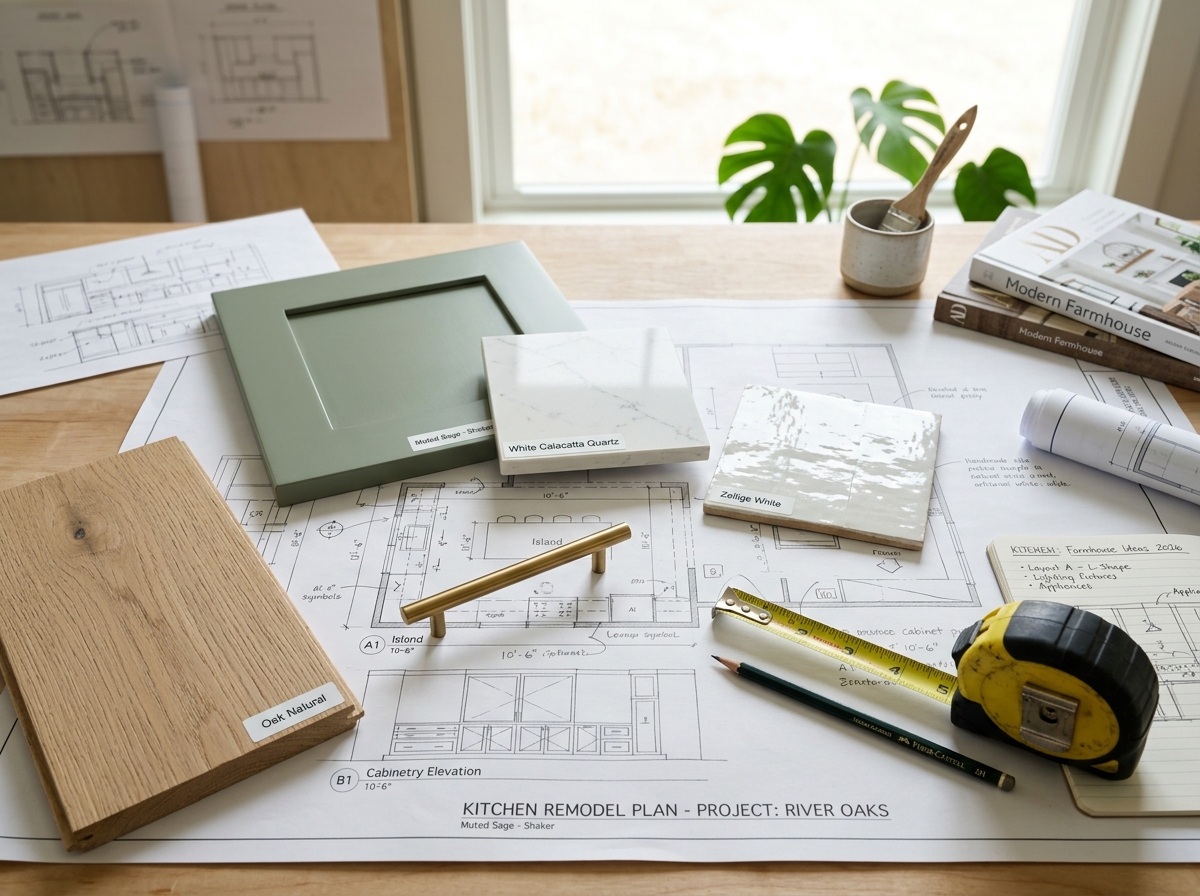
Phase 1: Planning & Design (1-4 Months)
This is the most critical phase. Rushing here leads to costly mistakes later. This period involves researching your farmhouse kitchen ideas, interviewing and hiring a designer and/or contractor, and finalizing the layout and material selections. Using AI for interior design can be useful here, allowing you to visualize different cabinet colors, countertop materials, and layouts before you place a single order. You can also review virtual staging before and after examples to see how digital tools help clarify your vision.
Phase 2: Ordering & Lead Times (2-6 Months)
Once you've made your selections, it's time to order. This phase often has the longest and most unpredictable waits. Custom or even semi-custom cabinetry can have lead times of 8-20 weeks. Appliances, windows, and certain tiles can also take months to arrive. Do not start demolition until all major components are on-site or have confirmed delivery dates.
Phase 3: Construction & Installation (6-12 Weeks)
This is the active renovation phase when your kitchen will be out of commission. The sequence generally follows this path:
Demolition and Rough-ins (1-2 weeks): Tearing out the old kitchen, and any electrical or plumbing work inside the walls.
Drywall, Flooring, and Paint (1-2 weeks): Closing up the walls, installing the new floor, and getting a first coat of paint on.
Cabinet Installation (1 week): The new cabinets are installed.
Countertop Templating and Installation (2-3 weeks): The stone fabricator measures for countertops after cabinets are in, then returns to install them.
Finishing Touches (2-4 weeks): Backsplash tiling, appliance installation, plumbing and lighting fixture hookups, final painting, and hardware installation.
Conclusion: Creating a Timeless Look
The enduring appeal of the farmhouse kitchen isn't about any single trend. It’s about creating a space that is functional, comfortable, and filled with character. The modern interpretation of this style leans on quality craftsmanship, honest materials, and a clean, uncluttered layout.
By focusing your budget on foundational elements like well-built cabinetry and durable countertops, you create a backdrop that will last for decades. From there, you can layer in lighting, hardware, and decor that reflect your personal style. The result will be a kitchen that feels both current and timeless—the true heart of your home.
The Rendera Team
We're designers, developers, and home improvement enthusiasts building AI tools to help you visualize your dream space.
Learn more about RenderaSee What Your Space Could Look Like
Upload a photo and get AI-powered design ideas in seconds. Free to try.
Try Rendera FreeRelated Articles
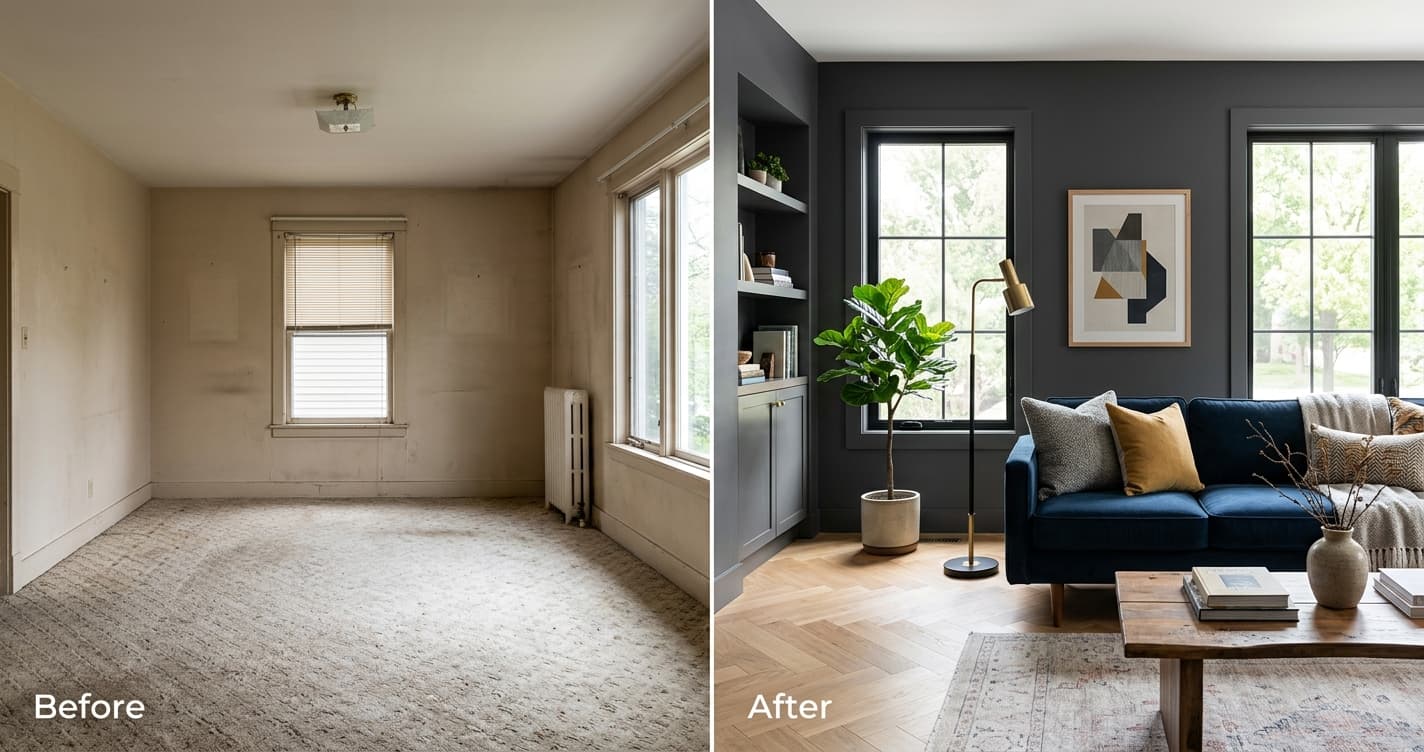
What Is the Best Free AI Interior Design Tool? 2026 Guide
We analyze current AI-driven design platforms to determine which free tools offer the most utility for homeowners planning a home update.
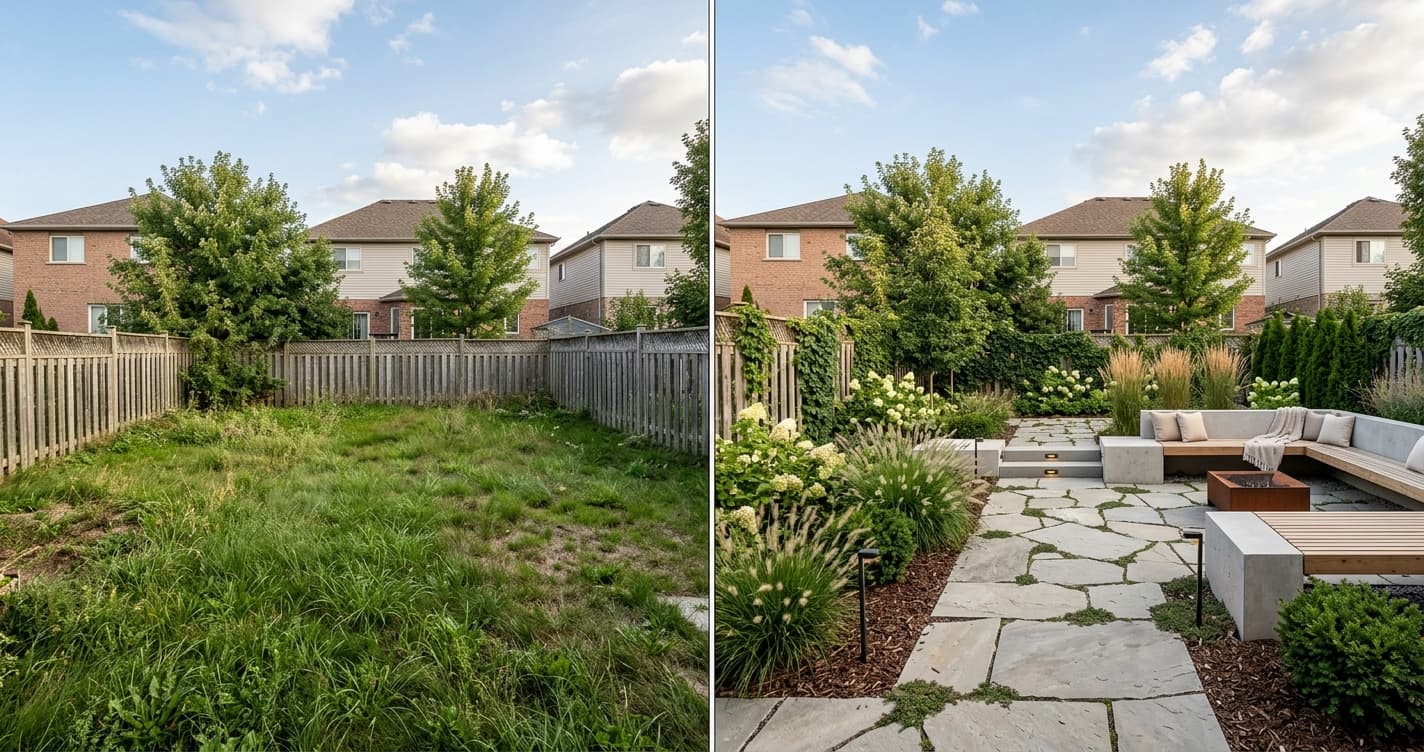
AI Landscape Design Generator Guide: Visualize Yards in 2026
Planning an outdoor renovation? Discover how AI landscape design generators help you visualize hardscaping, plantings, and layouts before breaking ground.
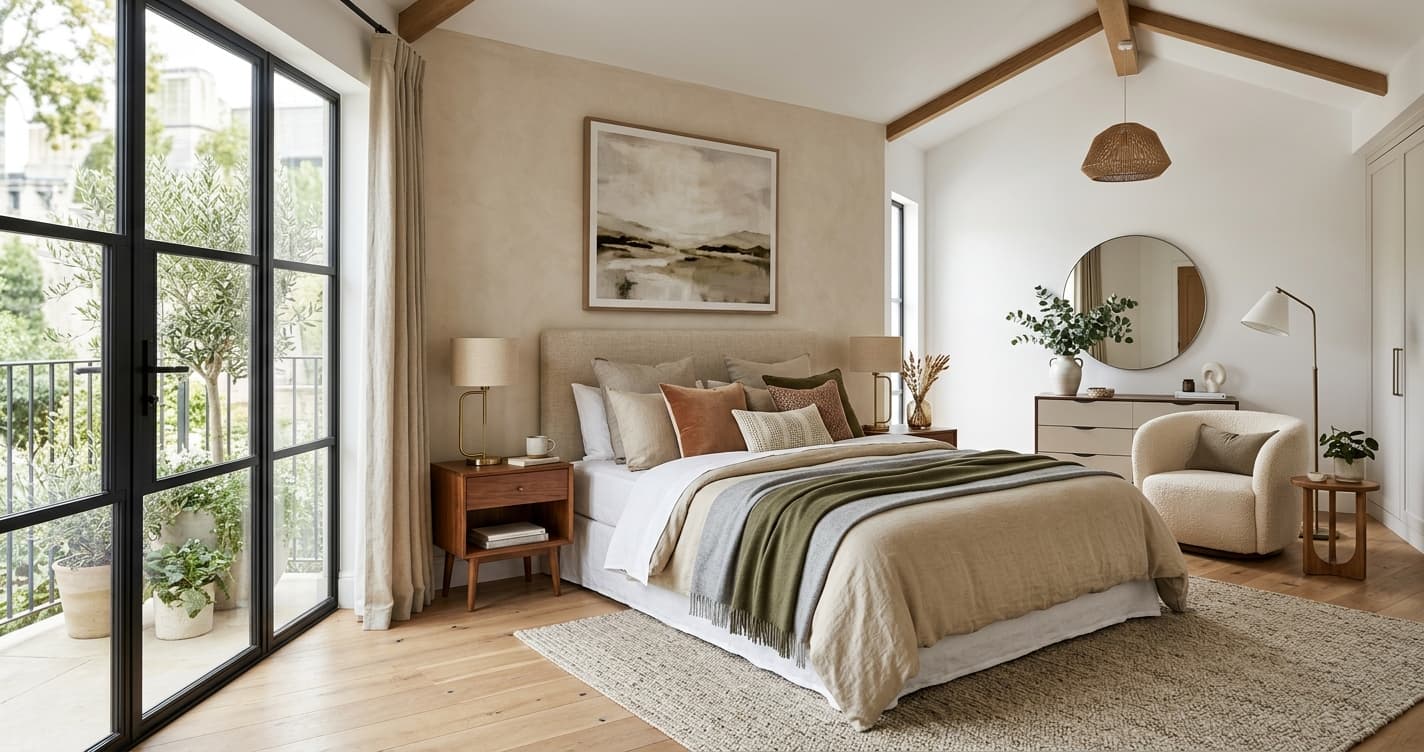
Bedroom Makeover Ideas Guide: A Complete Plan for 2026
A bedroom makeover can feel overwhelming, but it doesn't have to be. This guide breaks down the process into manageable steps, covering core design choices, budget tiers, and a realistic timeline for getting it done right.