
Bedroom Makeover Ideas Guide: A Complete Plan for 2026
A bedroom makeover can feel overwhelming, but it doesn't have to be. This guide breaks down the process into manageable steps, covering core design choices, budget tiers, and a realistic timeline for getting it done right.
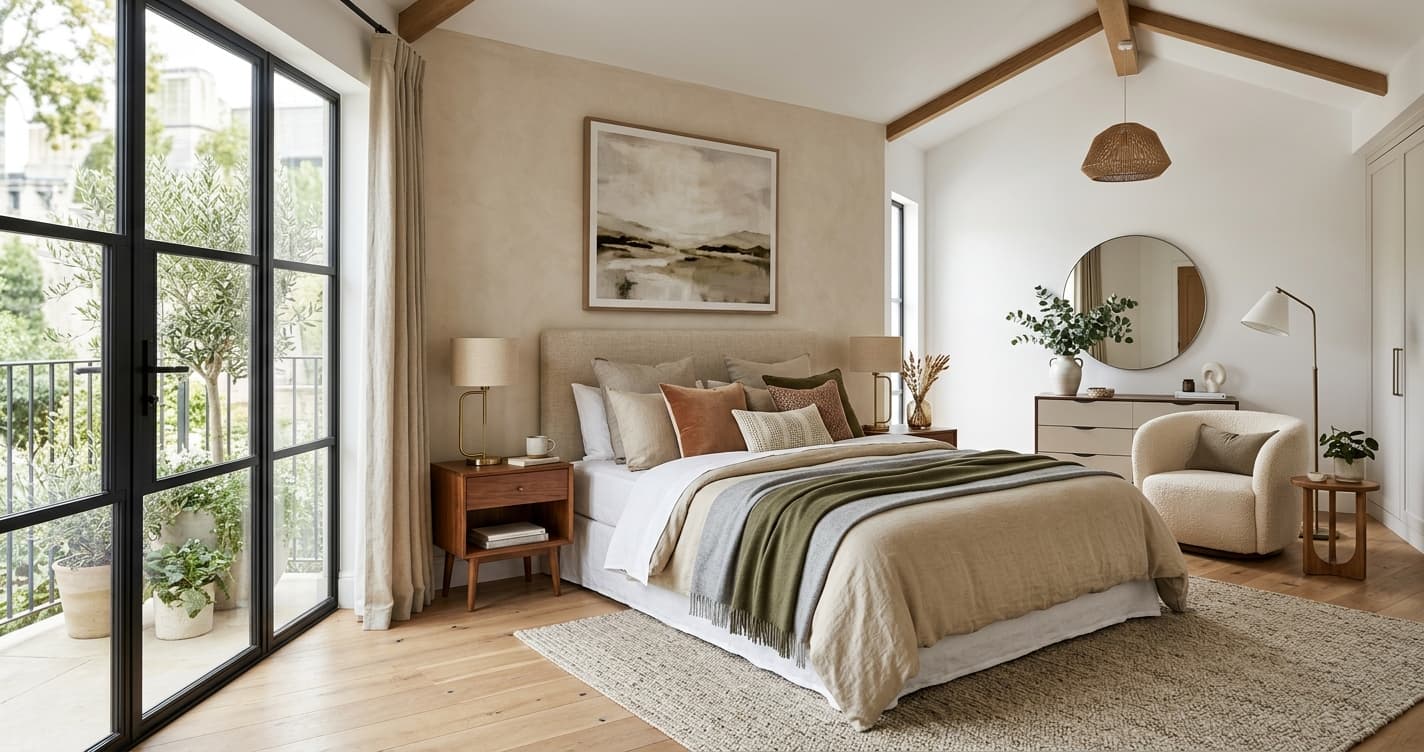
A bedroom is more than just a place to sleep; it’s a personal sanctuary where you start and end each day. But turning a tired, cluttered room into a restful retreat can feel overwhelming, which is why exploring effective bedroom makeover ideas is the best way to begin. If you are also looking to refresh other areas of your home, our farmhouse kitchen ideas can help you balance personal comfort with smart design principles that won't feel dated in the coming few years.
This guide cuts through the noise. We’ve structured the process into a clear plan, covering everything from the foundational choices of paint and flooring to the final layers of textiles and decor. You’ll also find a detailed breakdown of what to expect for costs and a realistic timeline to help you manage the project from start to finish.
Start with the Foundation: Wall and Floor Treatments
The biggest surfaces in your room—the walls and floor—have the most significant visual impact. Addressing them first sets the stage for every other decision you'll make. A fresh coat of paint or a new area rug can change the feel of a space more dramatically than almost any other single element.
Choosing the Right Paint Color
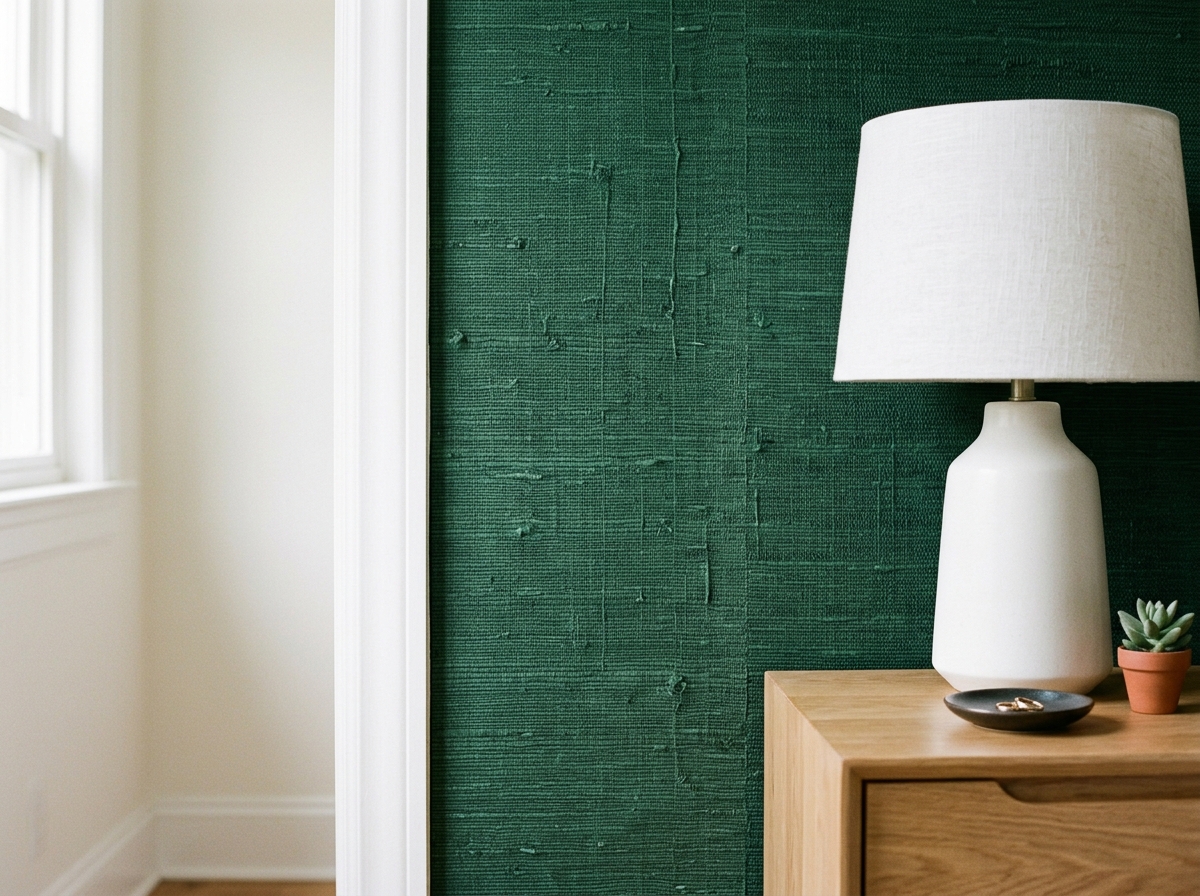
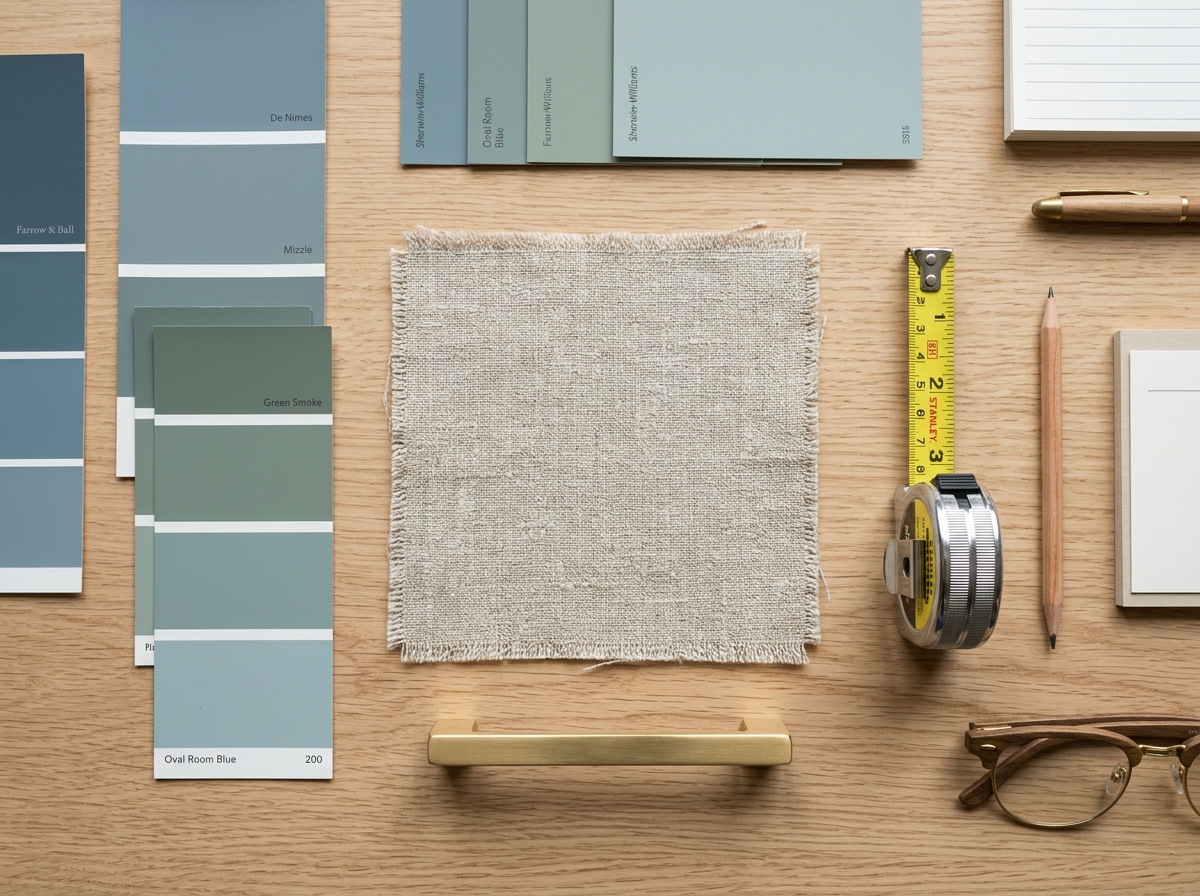
Paint is inexpensive, effective, and a project you can likely tackle in a weekend. For bedrooms, we typically recommend colors that promote restfulness. Think muted blues, soft greens, and warm, earthy neutrals. According to color psychology studies published by sources like Verywell Mind, cool tones tend to have a calming effect.
Consider time-tested neutrals like Benjamin Moore’s “Chantilly Lace” for a crisp, clean backdrop or Farrow & Ball’s “Elephant’s Breath” for a warmer greige. If you prefer drama, a deep navy like Sherwin-Williams' “Naval” on an accent wall behind the bed can create a cozy, enveloping feel. Always opt for a matte or eggshell finish; it’s better at hiding minor wall imperfections than satin or semi-gloss sheens.
Beyond Paint: Wallpaper and Paneling
If you want to add more texture and pattern, wallpaper and architectural paneling are solid options. You don’t have to commit to a whole room; an accent wall behind the headboard is often enough to make a statement. Brands like Graham & Brown or Hygge & West offer both traditional and peel-and-stick papers that are much easier for a DIYer to install.
For a more structural look, consider adding molding. Simple board and batten or picture frame molding can be installed in a weekend and adds a layer of architectural interest that makes a room feel more custom and finished. It’s a classic look that works with nearly any style.
Updating Your Flooring
Don't overlook what's underfoot. If your budget is tight, a thorough professional cleaning of existing carpet or a large new area rug can work wonders. A rug helps define the sleeping area and adds softness. If you're ready for a replacement, Luxury Vinyl Plank (LVP) from brands like COREtec or Shaw is a durable, water-resistant option that convincingly mimics real wood for a fraction of the cost. For a premium update, nothing beats the warmth of refinished hardwood floors topped with a high-end, hand-tufted wool or vintage-inspired Persian area rug.
Define the Room's Core: Bed and Key Furniture
Your bed is the functional and visual anchor of the room. Every other piece of furniture should relate to it in scale and style. Once you’ve settled on the bed, you can make informed decisions about nightstands, dressers, and any additional seating.
The Headboard Statement
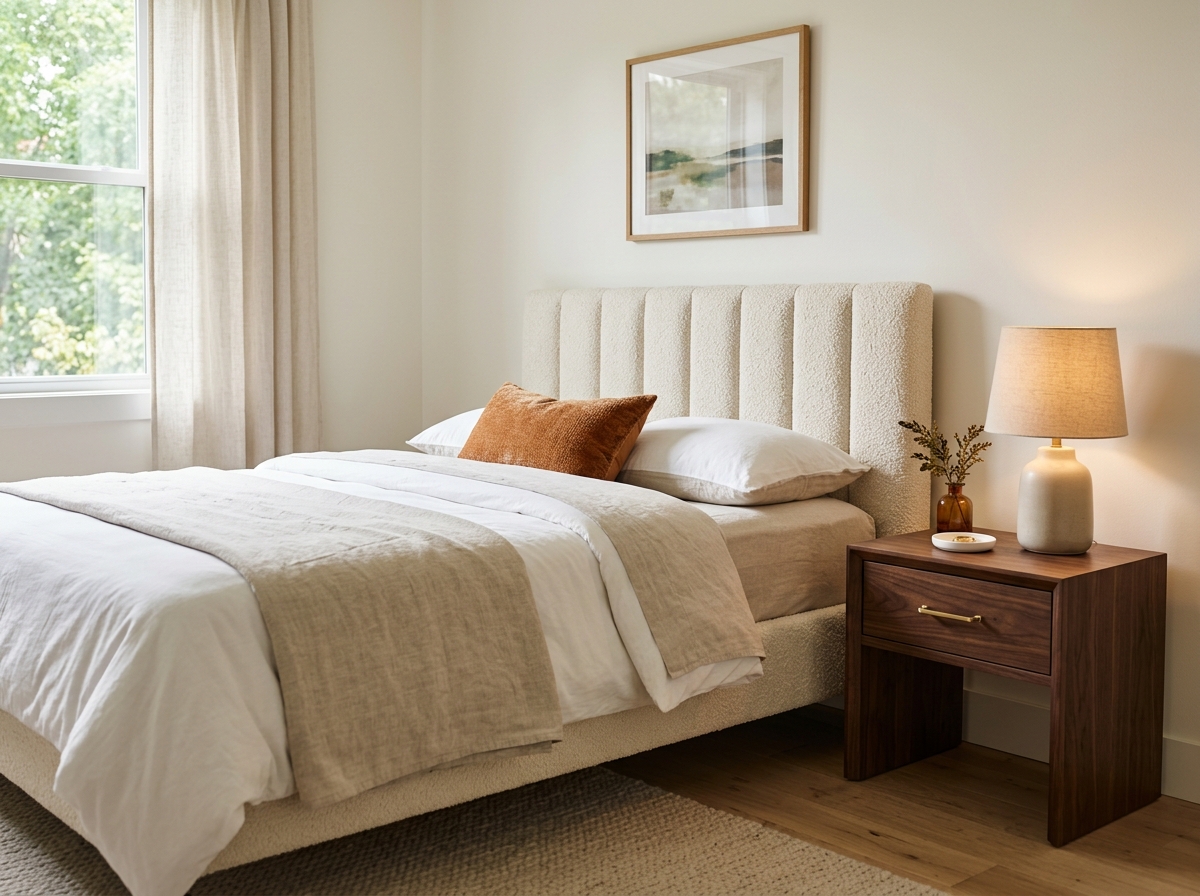
A well-chosen headboard can serve as the room's primary focal point. Upholstered headboards in fabrics like velvet, linen, or the currently popular boucle add softness and are comfortable to lean against while reading. You can find excellent options at a range of price points from retailers like West Elm, Pottery Barn, and Article. For a more minimal or custom look, a simple wall-mounted wooden headboard or even a painted arch on the wall can create the same effect for less.
Smart Storage Solutions
Clutter is the enemy of a restful space. Opt for nightstands with drawers or cabinets over simple tables to hide away charging cords, books, and other bedside necessities. If you're short on floor space, consider vertical storage like a tall, narrow dresser or floating shelves. The IKEA PAX system remains a go-to for creating affordable, customized wardrobe storage that can be tailored to your exact needs.
Adding a Seating Area
If you have the space, even a small seating area makes a bedroom feel more like a suite. A bench at the foot of the bed is a practical spot to put on shoes or lay out clothes for the next day. A comfortable armchair and a small side table in a corner can create a cozy reading nook. You don't need a huge amount of room; a compact chair like the Crate & Barrel accent chairs or a simple upholstered bench can be enough to add that extra layer of function.
Layer in Comfort and Style: Textiles and Decor
With the foundational elements in place, it’s time to add the layers that bring personality and comfort to your bedroom. Textiles—bedding, curtains, and rugs—are where you can play with color, pattern, and texture without a major commitment.
Bedding as a Focal Point
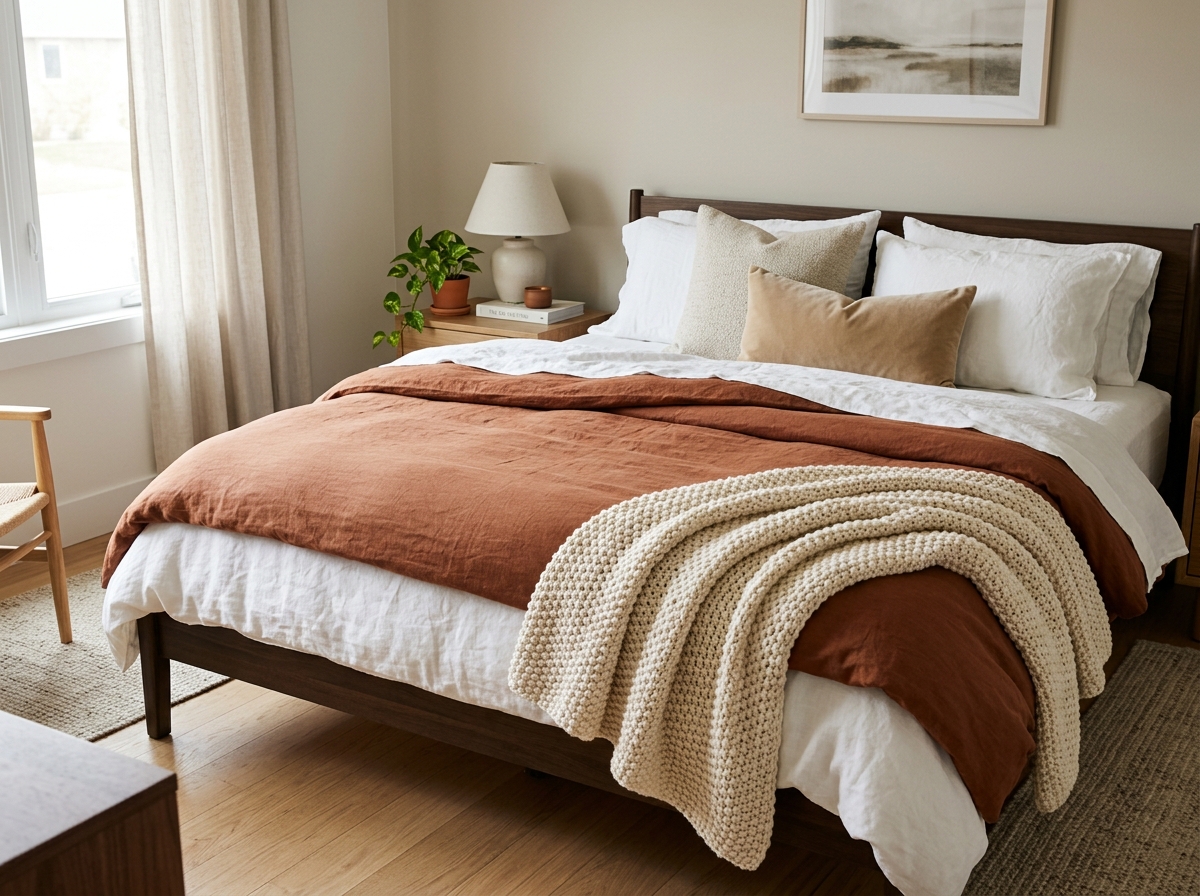
You interact with your bedding every single day, so this is one area where we recommend investing in quality. Natural fibers are best for breathability. Crisp cotton percale from brands like Brooklinen is great if you sleep hot, while linen from Parachute Home offers a more relaxed, lived-in look. Create a plush, inviting bed by layering elements: a duvet, a quilt or coverlet, a throw blanket at the foot, and a mix of sleeping and decorative pillows.
The Right Area Rug
A common mistake is choosing an area rug that's too small for the space. For a queen or king bed, the rug should extend at least 18 to 24 inches beyond the sides of the bed, giving you a soft place to land your feet in the morning. A detailed guide from Architectural Digest offers visual examples of proper placement. For materials, wool is soft and durable, jute offers a natural, coastal vibe, and washable options from brands like Ruggable are a practical choice for homes with pets or kids.
Finishing with Art and Personal Items
Art is what makes a space feel uniquely yours. Whether you choose a large-scale piece above the bed or a gallery wall of smaller prints, hang it at the correct height. The center of the artwork should be at eye level, which is typically 57 inches from the floor. On dressers and nightstands, use decorative trays to corral smaller items like jewelry, glasses, and remote controls to keep surfaces looking tidy and intentional.
Set the Mood: Lighting and Window Treatments
Lighting and window treatments are the final functional pieces of the design puzzle. They control the room's ambiance, transitioning it from bright and airy during the day to a cozy, intimate space at night.
Layering Your Lighting
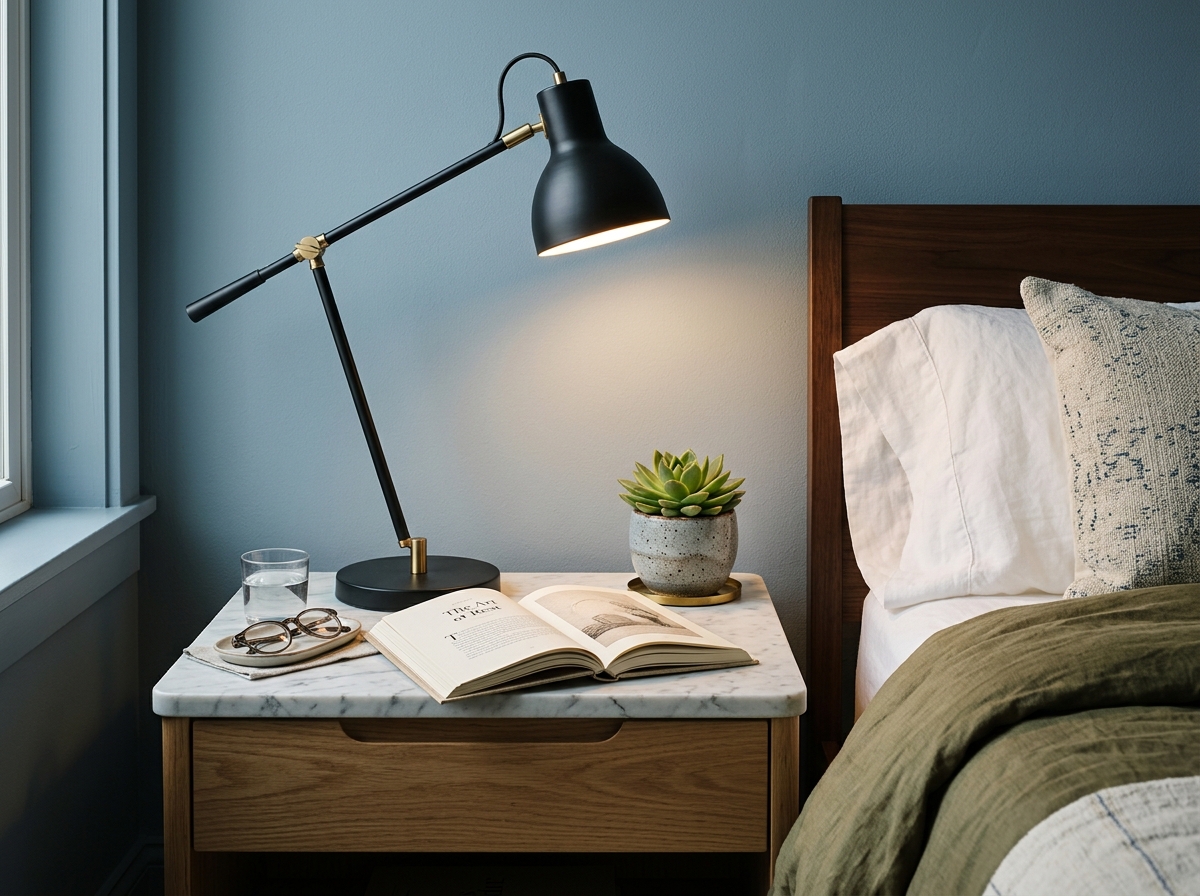
Good lighting design relies on layers. You need three types: ambient (the main overhead light), task (bedside lamps for reading), and accent (a floor lamp or picture light). For a bedroom, stick to bulbs with a warm color temperature between 2700K and 3000K to create a relaxing glow. Dimmers on all fixtures are a must-have, allowing you to adjust the intensity for any mood.
Choosing Window Treatments
Function should be your first consideration. If you need total darkness to sleep, invest in blackout curtains or cellular shades. You can then layer sheer curtains over them on a double rod to provide privacy during the day while still letting in natural light. Pay attention to hardware; a cheap-looking curtain rod can undermine the entire look. Choose a sturdy rod in a finish—like matte black, brushed brass, or satin nickel—that complements other metal finishes in the room.
How Much Does a Bedroom Makeover Cost?
A bedroom makeover can cost a few hundred dollars or tens of thousands. Your budget will determine the scope of your project, from a simple refresh to a full-scale renovation. According to the 2023 U.S. Houzz & Home Study, the median spend on a primary bedroom renovation is around $2,300, but this can vary widely. We've broken down potential costs into three tiers.
Economy Makeover: $500 – $2,000
This budget focuses on high-impact, low-cost changes. The bulk of the work is DIY. Think a fresh coat of paint, a new duvet set and pillows, an affordable area rug from a retailer like Wayfair or Rugs USA, and new decor finds from Target or HomeGoods. You might also update an existing piece of furniture with paint or new hardware.
Mid-Range Makeover: $2,000 – $8,000
In this range, you can afford to replace a key piece of furniture, like a new bed frame and mattress, or hire a professional for tasks like painting. This budget allows for better quality textiles, a higher-end area rug, and perhaps semi-custom window treatments from a company like Blinds.com. You can begin to visualize these bigger changes with how to use AI for interior design to ensure you're making the right investment before you buy.
Premium Renovation: $8,000+
This budget opens the door to significant upgrades. This could include refinishing hardwood floors, installing custom built-in closets from a company like California Closets, purchasing designer furniture, and investing in high-end lighting from brands like Schoolhouse or Rejuvenation. At this level, you might also consider hiring an interior designer to help manage the project and source unique pieces.
Your Bedroom Makeover Timeline
A well-executed makeover doesn't happen overnight. Planning is crucial to avoid delays and frustration. Here is a realistic timeline for a typical project.
Phase 1: Planning & Sourcing (1–4 Weeks)
This is the most important phase. Spend time gathering inspiration, measuring your room, and creating a mood board. Use visualization software to test out paint colors and furniture layouts. Once you have a plan, start ordering your key items. Furniture and custom pieces can have lead times of several weeks or even months, so order these first.
Phase 2: Prep Work (1 Weekend)
Once your major items have arrived or are scheduled for delivery, it's time to prepare the room. Clear out all old furniture, decor, and clutter. Clean all surfaces thoroughly, patch any nail holes, and tape off baseboards, trim, and windows in preparation for painting.
Phase 3: The Big Jobs (1–2 Weeks)
This is when the most visible changes happen. Start with painting the ceiling, then the walls. If you're installing new flooring or having floors refinished, this should happen next, as it's the messiest part of the process. Follow up with any electrical work, like installing a new ceiling fixture.
Phase 4: Assembly & Styling (1 Weekend)
The final, most satisfying phase. Assemble all your new furniture and move it into place. Hang your window treatments and artwork. Finally, make the bed with your new bedding, lay down the area rug, and arrange your final decorative touches on nightstands and dressers.
A Well-Planned Path to a Better Bedroom
A bedroom makeover is a project that pays dividends in your daily well-being. By breaking it down into a logical sequence—foundation, furniture, textiles, and finishing touches—you can approach it with confidence. The key is to have a clear plan and a realistic budget before you start. A beautiful, restful bedroom is within reach when you explore our favorite bedroom makeover ideas and focus on smart choices that reflect your personal style, much like the impressive room updates seen in virtual staging before and after examples.
The Rendera Team
We're designers, developers, and home improvement enthusiasts building AI tools to help you visualize your dream space.
Learn more about RenderaSee What Your Space Could Look Like
Upload a photo and get AI-powered design ideas in seconds. Free to try.
Try Rendera FreeRelated Articles
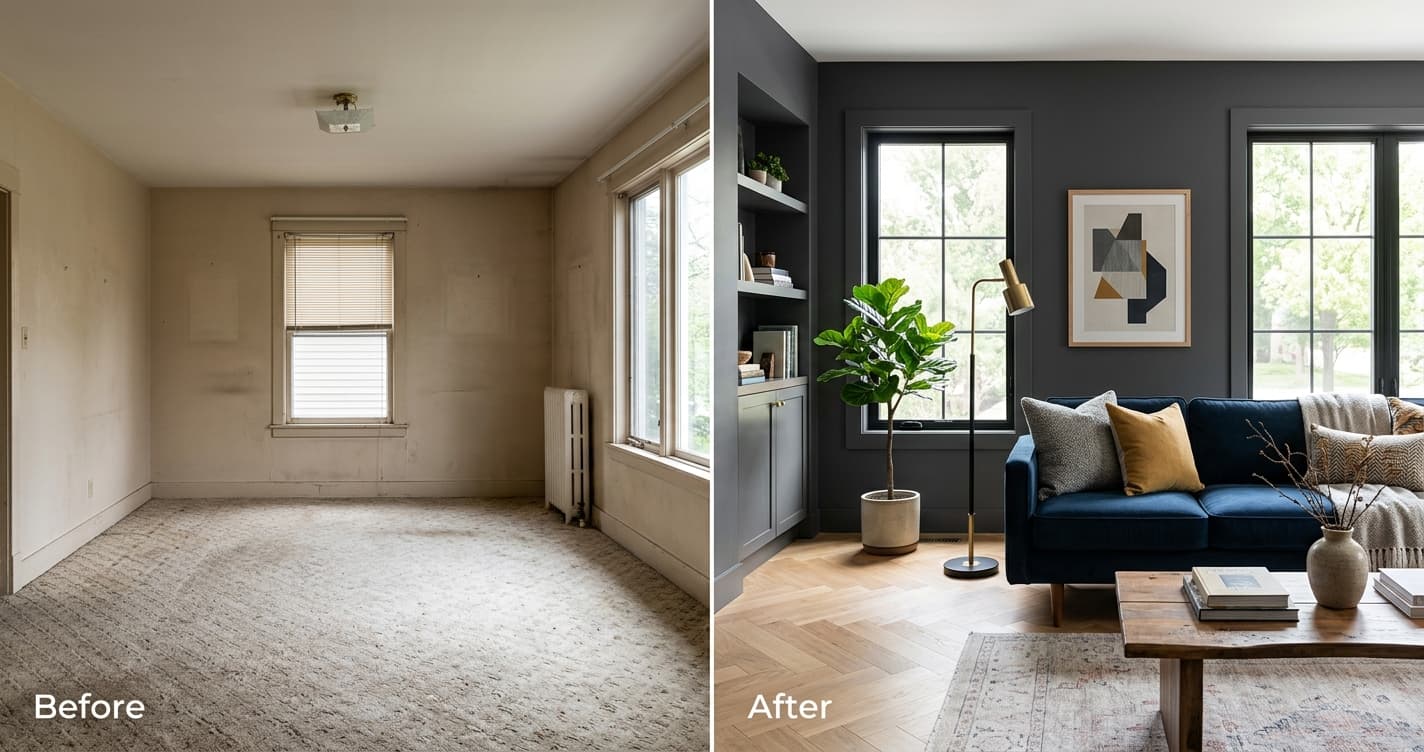
What Is the Best Free AI Interior Design Tool? 2026 Guide
We analyze current AI-driven design platforms to determine which free tools offer the most utility for homeowners planning a home update.
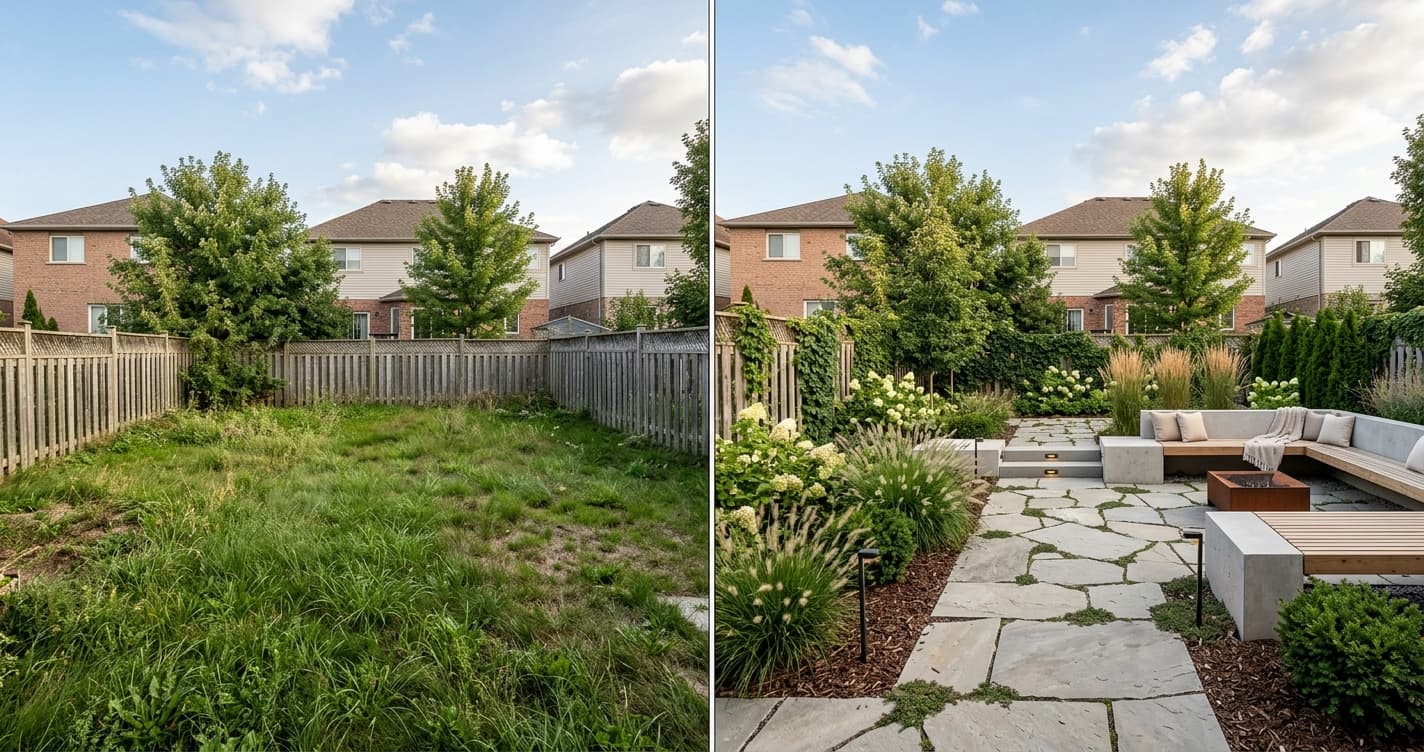
AI Landscape Design Generator Guide: Visualize Yards in 2026
Planning an outdoor renovation? Discover how AI landscape design generators help you visualize hardscaping, plantings, and layouts before breaking ground.
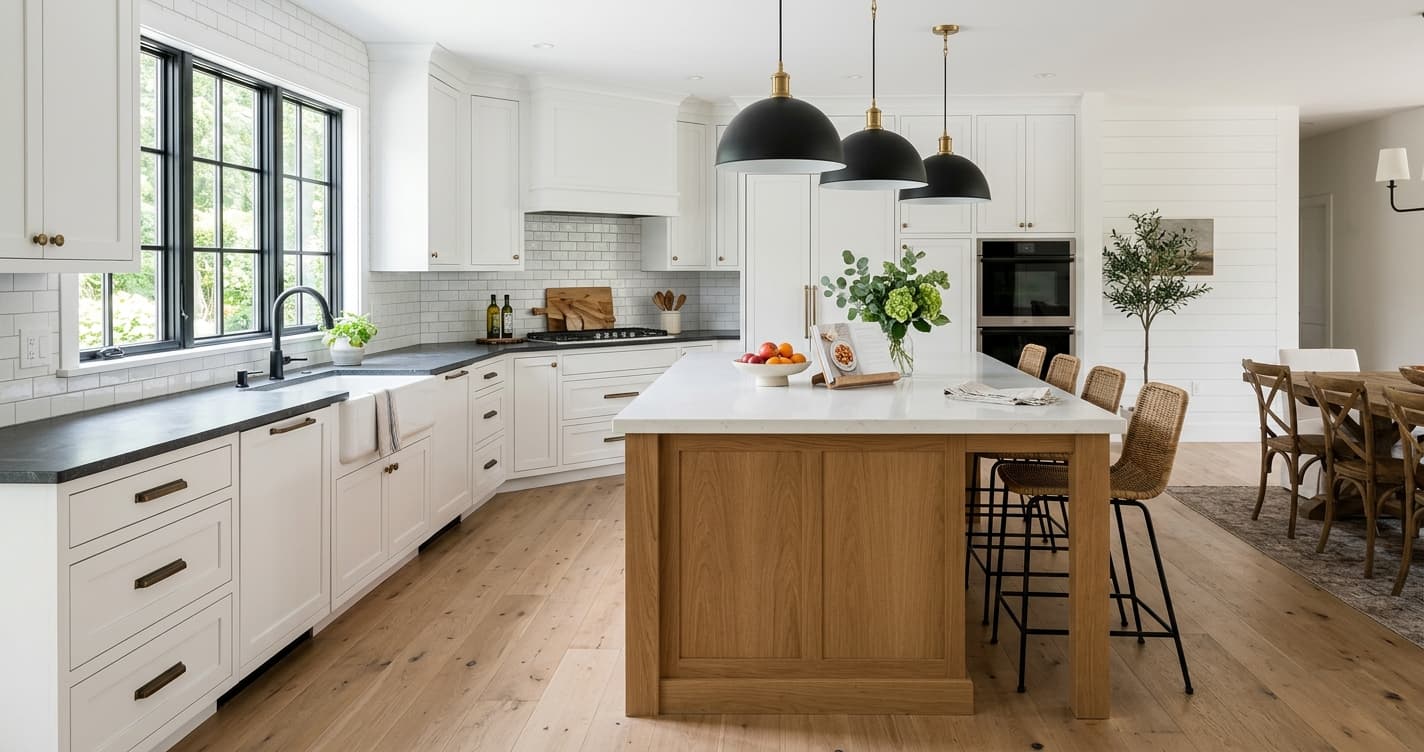
Farmhouse Kitchen Ideas Guide: A Modern Take in 2026
The farmhouse kitchen is evolving. Forget the dated shiplap and mason jars; the modern look for 2026 is about blending rustic texture with clean lines, quality materials, and serious functionality. This guide breaks down the essential farmhouse kitchen ideas, from budget to build.