
How Virtual Staging Before and After Results Boost Property Sales
Visualizing a vacant property is difficult for most buyers. Explore how virtual staging before and after results bridge the gap between imagination and a sale.
The Challenge: Selling the Empty Void
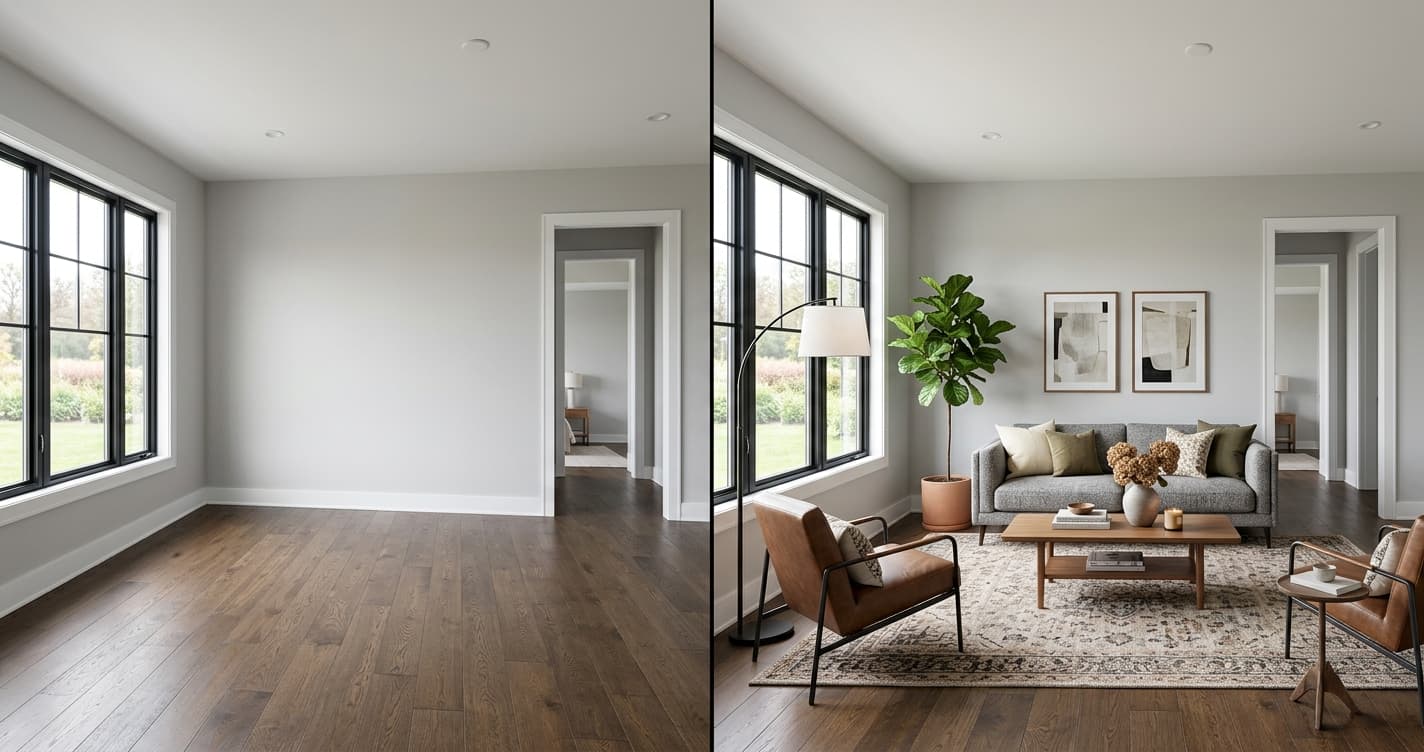
Preparing a home for the market often feels like a difficult task. It requires precise coordination between painters, cleaners, and professional stagers. When you list a vacant property, you are not just selling square footage; you are using virtual staging before and after comparisons to show buyers the potential of a lifestyle, much like how an exterior home redesign can change a property's curb appeal to attract more interest.
The High Cost of Traditional Staging
According to the National Association of Realtors' 2023 Profile of Home Staging, 81% of buyers find it easier to visualize a future home when it is staged. Yet, traditional staging involves high costs. It often costs between $2,000 and $5,000 for a multi-room setup, plus monthly rental fees.
Overcoming the Blank Wall Problem
For a 2,200-square-foot listing in the suburbs, we faced a classic dilemma. The property was clean, bright, and freshly painted, but it felt hollow. Potential buyers walked through, stared at the blank walls, and quickly moved on. We needed a better way to show the floor plan without the high price or physical labor of real furniture.
The Approach: Using Digital Visualization
We decided to use virtual staging as a cost-effective alternative. While traditional staging works well for some, digital options have improved significantly. Modern AI tools allow for a virtual staging before and after comparison that looks real to the untrained eye. If you are interested in modern workflows, learning how to use AI for interior design can provide a clear advantage. We chose a digital approach for three key rooms: the living room, the primary bedroom, and the home office.
Defining Room Functionality
Our goal was to define the function of each room. Per virtualstaging.com, digital furniture helps highlight architectural features that might go unnoticed in a bare room. By choosing a Scandinavian-modern style, we aimed to appeal to first-time buyers and young professionals. We kept in mind the latest housing market trends from the U.S. Department of Housing and Urban Development regarding buyer preferences for functional living spaces.
The Process: From Pixels to Profit
The workflow for this project was simple compared to physical staging. First, we captured high-resolution, wide-angle photos of the vacant rooms during the golden hour. This ensured the best natural lighting. We then uploaded these files to our chosen platform and selected furniture that matched the scale of the rooms.
Efficiency and Cost-Effectiveness
The timeline was fast. While hiring a professional staging company usually requires a week for furniture delivery, our virtual staging process took exactly 48 hours. The total cost was less than $300 for the entire house. It is a practical investment that improves online click-through rates, a metric often highlighted in industry economic reports from the National Association of Home Builders.
Maintaining Transparency
Accuracy is vital. Always disclose that the images are virtually staged to maintain honesty with buyers. Misleading photography can lead to disappointment during physical showings.
The Results: The Power of Perspective
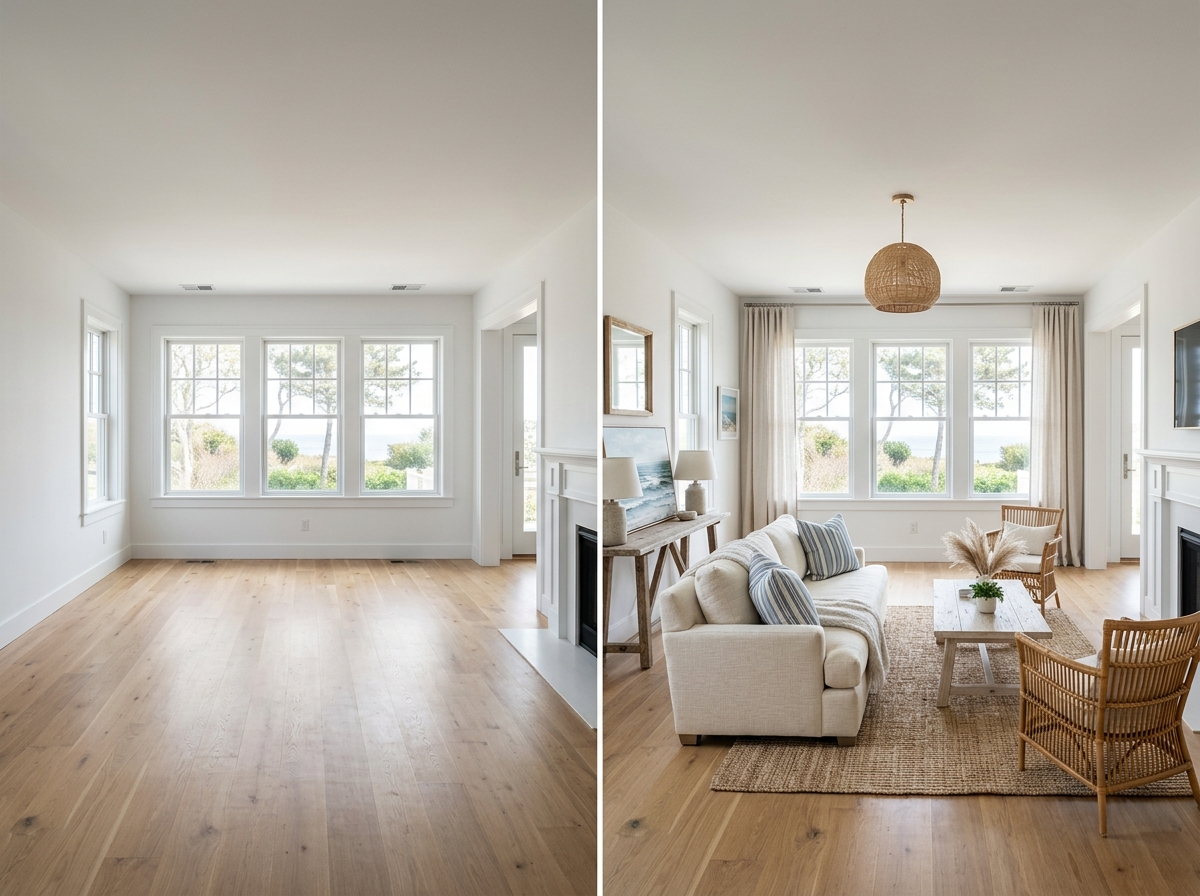
The impact of the virtual staging was immediate. Within 72 hours of updating the listing photos, our online engagement increased by 40%. More importantly, the time spent on the listing page doubled. Buyers who previously ignored the empty photos were suddenly asking about the dimensions of the living area.
Tracking Buyer Feedback
We tracked the feedback during open houses. Visitors often pointed to the printed photos, which included a clear virtual staging before and after display. They noted how the digital furniture helped them see that a king-sized bed would fit in the primary suite. It removed the guesswork.
Accelerating the Sale
The property went under contract within 14 days. This was a significant improvement over the 45-day average for similar empty homes in the area.
Key Takeaways: Lessons Learned
If we could do it again, we would focus more on lighting consistency. One lesson we learned is that if the original photo has harsh shadows, the virtual furniture must match those shadows to look real. Always ensure your raw images use professional-grade wide-angle lenses to avoid distortion. Furthermore, do not over-furnish. A room should feel lived-in, not crowded.
Best Practices for Listings
Consider these points for your next listing:
Choose a consistent style: Do not mix styles; keep the look uniform. Use a tool like rendera.ai that has 20+ presets to see your room in a variety of design trends, from coastal interior design to Contemporary styles.
Focus on high-impact rooms: You do not need to stage every closet. Prioritize living areas and bedrooms.
Budget for quality: You get what you pay for in terms of rendering quality.
Final Thoughts on Digital Visualization
Ultimately, virtual staging is a tool, not a cure-all. It will not fix a bad layout or poor maintenance, but it will help buyers see the potential you already know exists. We think the move toward digital visualization is a standard every seller should consider, especially when they see the value of a virtual staging before and after portfolio.
The Rendera Team
We're designers, developers, and home improvement enthusiasts building AI tools to help you visualize your dream space.
Learn more about RenderaSee What Your Space Could Look Like
Upload a photo and get AI-powered design ideas in seconds. Free to try.
Try Rendera FreeRelated Articles
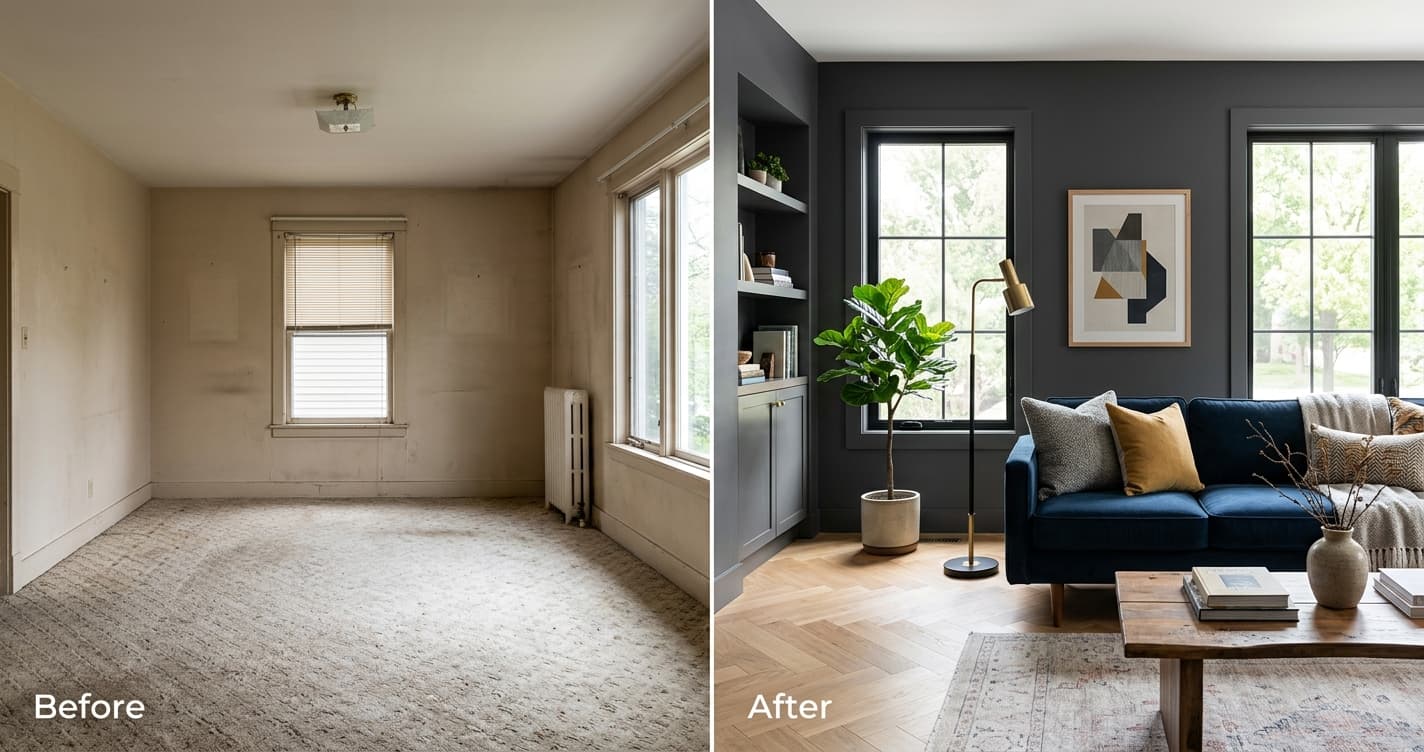
What Is the Best Free AI Interior Design Tool? 2026 Guide
We analyze current AI-driven design platforms to determine which free tools offer the most utility for homeowners planning a home update.
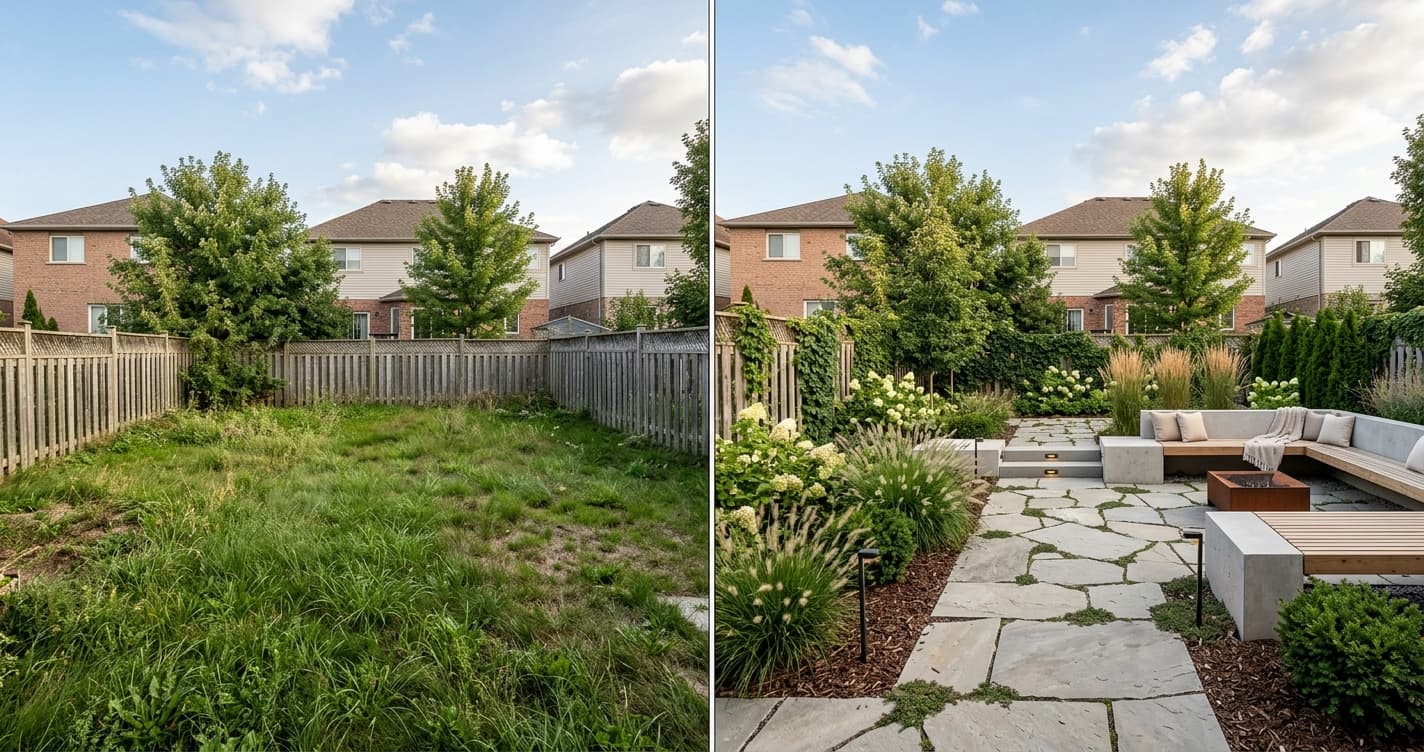
AI Landscape Design Generator Guide: Visualize Yards in 2026
Planning an outdoor renovation? Discover how AI landscape design generators help you visualize hardscaping, plantings, and layouts before breaking ground.
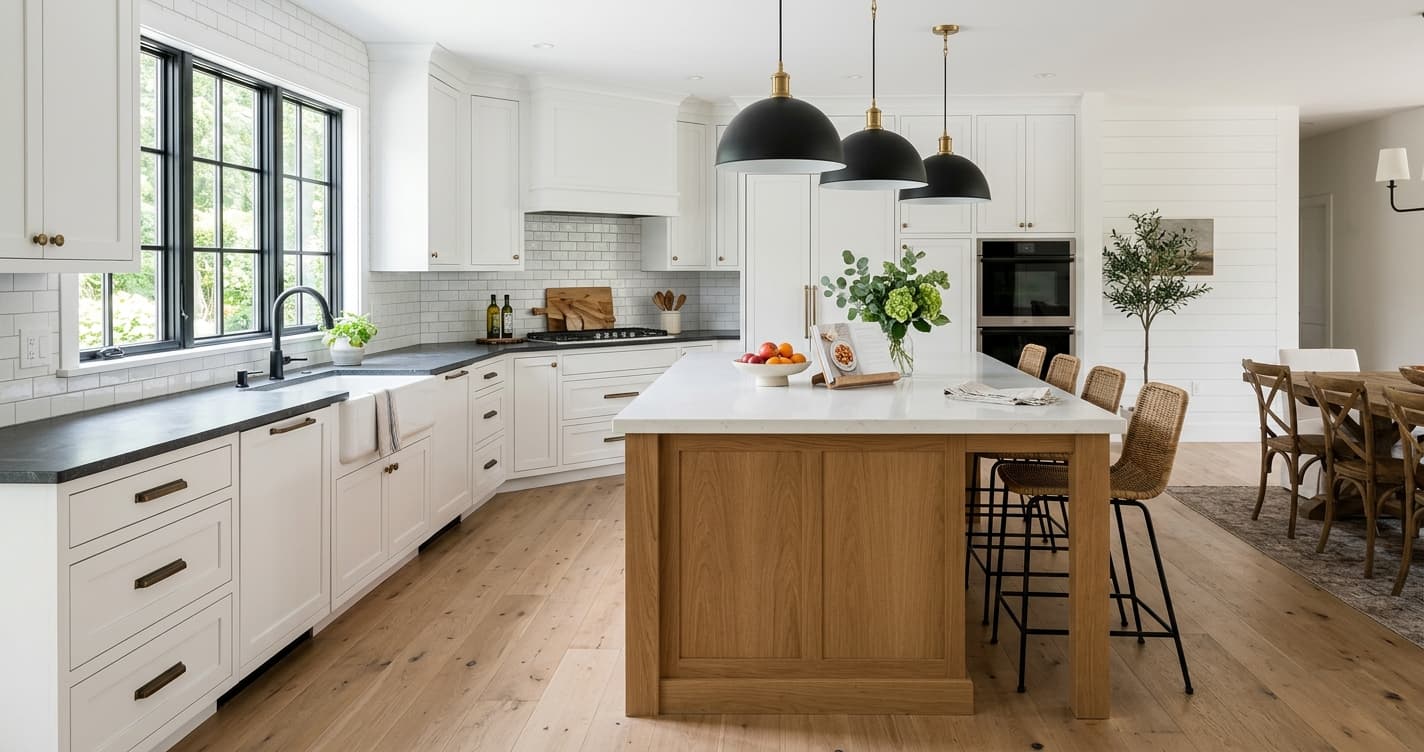
Farmhouse Kitchen Ideas Guide: A Modern Take in 2026
The farmhouse kitchen is evolving. Forget the dated shiplap and mason jars; the modern look for 2026 is about blending rustic texture with clean lines, quality materials, and serious functionality. This guide breaks down the essential farmhouse kitchen ideas, from budget to build.